Have you noticed your laminate flooring lifting, bubbling, or swelling and wondered if there’s a way to repair swollen laminate flooring without replacing the entire floor? This is a common issue for many homeowners, especially in areas exposed to moisture, humidity, or accidental spills. The good news is that in most cases, a full replacement isn’t necessary.
For laminate floor London homes, swelling often happens in kitchens, bathrooms, or other high-humidity areas. While laminate flooring is durable and cost effective, its core can be sensitive to excess moisture or improper installation. When this occurs, the boards may expand and push against each other, creating bumps or raised sections on the surface. Knowing why this happens is the first step to fixing it properly.
In this guide, you’ll learn practical methods to repair swollen laminate flooring without replacing it. We will cover the main causes of swelling, how to tell if a repair is possible, and step-by-step techniques to restore your floor while preventing the problem from coming back.
What Causes Laminate Flooring to Swell
Understanding the reasons behind swelling is key to successfully repairing laminate flooring. Most swelling occurs when moisture interacts with the core of the laminate, causing it to expand and lift. Common causes include water spills, leaks from appliances or plumbing, and high indoor humidity. Even regular cleaning with excessive water or steam can gradually damage the boards.
Another major factor is improper installation. Laminate flooring needs small expansion gaps around walls and fixed obstacles to allow for natural movement. When these gaps are too small or missing, the boards push against each other as they expand, creating bubbles and raised sections.
Trapped air or poor ventilation can also contribute to swelling. Areas where airflow is restricted, such as under cabinets or furniture, tend to retain moisture, which can lead to localized swelling over time. Identifying the exact cause of the problem helps determine whether a repair is possible and prevents the issue from returning after the floor has been fixed.
When Can You Repair Swollen Laminate Flooring
Not all swelling requires a full replacement. In many cases, minor swelling or localized damage can be repaired effectively without removing the entire floor. If the boards are only slightly raised or have small bubbles, there is a good chance that drying and flattening methods will restore them.
Repairs are usually possible when only one or two planks are affected and the core of the laminate is still solid. If the boards feel soft, spongy, or are extensively warped, replacement may be the only long-term solution. Assessing the extent of the damage before starting any repair ensures that your efforts will be effective and prevents further problems down the line.
By understanding when a repair is feasible, you can save time and money while restoring your flooring to its original appearance.
Step-by-Step Methods to Repair Swollen Laminate Flooring
There are several practical ways to repair swollen laminate flooring without replacing it. The method you choose depends on the severity of the swelling and the location of the affected planks.
Dry Out the Area First
Moisture is the main cause of swelling, so the first step is to remove any excess water. Use a dehumidifier or fans to circulate air around the swollen area. Opening windows can also help improve airflow. Allow the area to dry completely, which may take several hours or even a couple of days depending on the level of moisture.
Flatten Minor Bubbles or Raised Areas
For small bubbles or slightly raised boards, applying gentle pressure can help. Place heavy objects such as books or toolboxes on the swollen sections for 24 to 72 hours. You can also use a hairdryer on low heat to help evaporate trapped moisture. Avoid high heat, as it can damage the laminate surface.
Repair Small Splits or Cracks
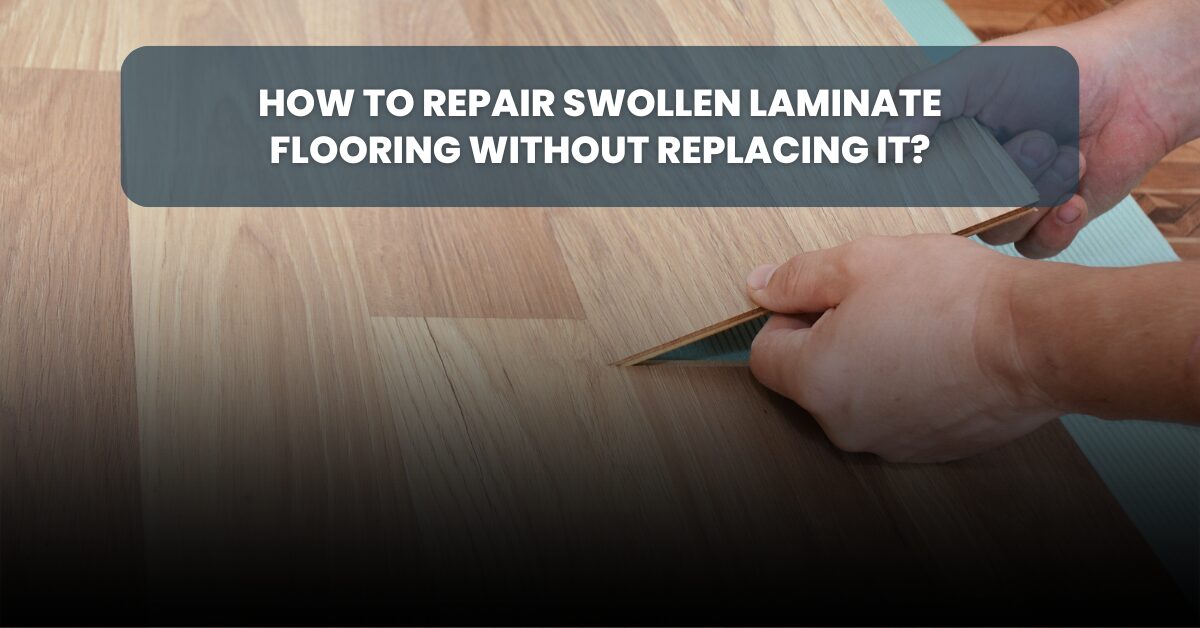
If there are minor splits, make a small incision in the swollen area using a utility knife. Inject laminate adhesive or wood glue into the slit and press the board flat. Use a heavy object to hold it in place until the glue dries completely.
Adjust Expansion Gaps
Sometimes swelling occurs because there isn’t enough space for the laminate to expand. Remove baseboards or skirting and carefully create small gaps between the flooring and the wall. This allows the boards to settle naturally and reduces pressure that causes bubbling.
These steps can often restore your laminate flooring’s appearance and functionality without the need for a full replacement.
Preventing Future Swelling
Once you have repaired swollen laminate flooring, taking steps to prevent future problems is essential for maintaining its appearance and durability.
Moisture control is the most important factor. Clean up spills immediately and avoid using excessive water when mopping. Using a dehumidifier in humid areas of your home can help reduce moisture levels and protect the flooring.
Proper installation also plays a key role. Always allow laminate boards to acclimate to the room before installation and ensure there are adequate expansion gaps around walls and fixed objects. This prevents pressure buildup as the flooring naturally expands and contracts.
Avoid using steam cleaners or wet cleaning methods that force water into the seams, as this can cause swelling over time. Regular maintenance, combined with careful cleaning practices, will help your laminate flooring remain smooth and damage-free for years to come.
Signs It’s Time to Call a Professional for Swollen Laminate
While many cases of swollen laminate flooring can be repaired at home, there are situations where calling a professional is the best option. If large sections of your floor are affected or the boards feel soft and spongy, a professional can assess the damage and provide a long-lasting solution.
Professionals have the tools and experience to replace individual planks if needed, adjust expansion gaps properly, and ensure that underlying moisture issues are fully addressed. Hiring an expert can save time, prevent further damage, and ensure your flooring is restored safely and effectively.
Knowing when to seek professional help ensures that minor issues don’t turn into costly problems and keeps your laminate flooring looking its best.
Frequently Asked Questions
Repairing swollen laminate flooring often raises common questions that can help homeowners understand the process and prevent future problems.
Can swollen laminate return to its original shape?
Yes, minor swelling can often be reversed if the moisture has not permanently damaged the board. Drying the area and applying gentle pressure can restore the surface in many cases.
Why does swelling keep coming back?
Recurring swelling usually indicates an ongoing moisture issue or poor ventilation. Identifying and fixing the source of moisture is essential to prevent further damage.
Is laminate flooring waterproof?
Most laminate flooring is water-resistant but not fully waterproof. Spills or excessive cleaning with water can seep into the core and cause swelling if not addressed promptly.
Can I prevent swelling with regular cleaning?
Yes, but it is important to avoid excessive water or steam cleaners. Use damp mops and clean up spills immediately to protect the flooring.
Explore Premium Carpets at London Carpets and Flooring Hub
Looking for durable and stylish carpets? Visit our trusted carpet store in London to explore high quality options with professional carpet supply and fitting services. Discover popular choices like Aztec Carpet, Artemis London Carpet, Melbourne Carpet, Liberty Carpet, and Dublin Heathers Carpet, perfect for homes and businesses.
You can also browse premium collections including Easy Living Carpet, Messina Carpet, Andes Carpet, Wiltax Carpet, Aqua Carpet, and Noble Carpet, designed for comfort, durability, and long term performance. Find the perfect carpet for your space today.
Conclusion
Repairing swollen laminate flooring without replacing it is possible in many situations, especially when the damage is minor or localized. By identifying the cause of the swelling, drying the affected area, and applying practical repair methods, you can restore your flooring’s appearance and functionality.
Preventing future swelling is equally important. Controlling moisture, maintaining proper expansion gaps, and using careful cleaning methods will help keep your laminate flooring London homes in excellent condition for years.
In cases where the damage is extensive, boards feel soft, or swelling keeps returning, consulting a professional ensures a long-lasting solution. With the right approach, you can save time and money while maintaining smooth, durable, and beautiful floors.